This post may contain affiliate links. If you make a purchase through a link, I may receive a small commission, at no cost to you. These commissions help keep this website up and running, and I thank you for your support. Read my full disclosure here.
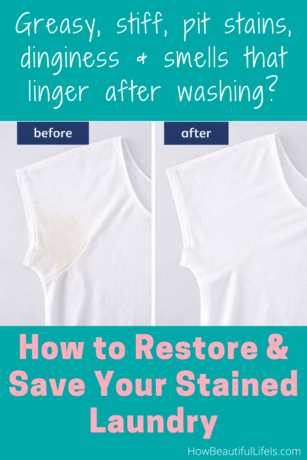
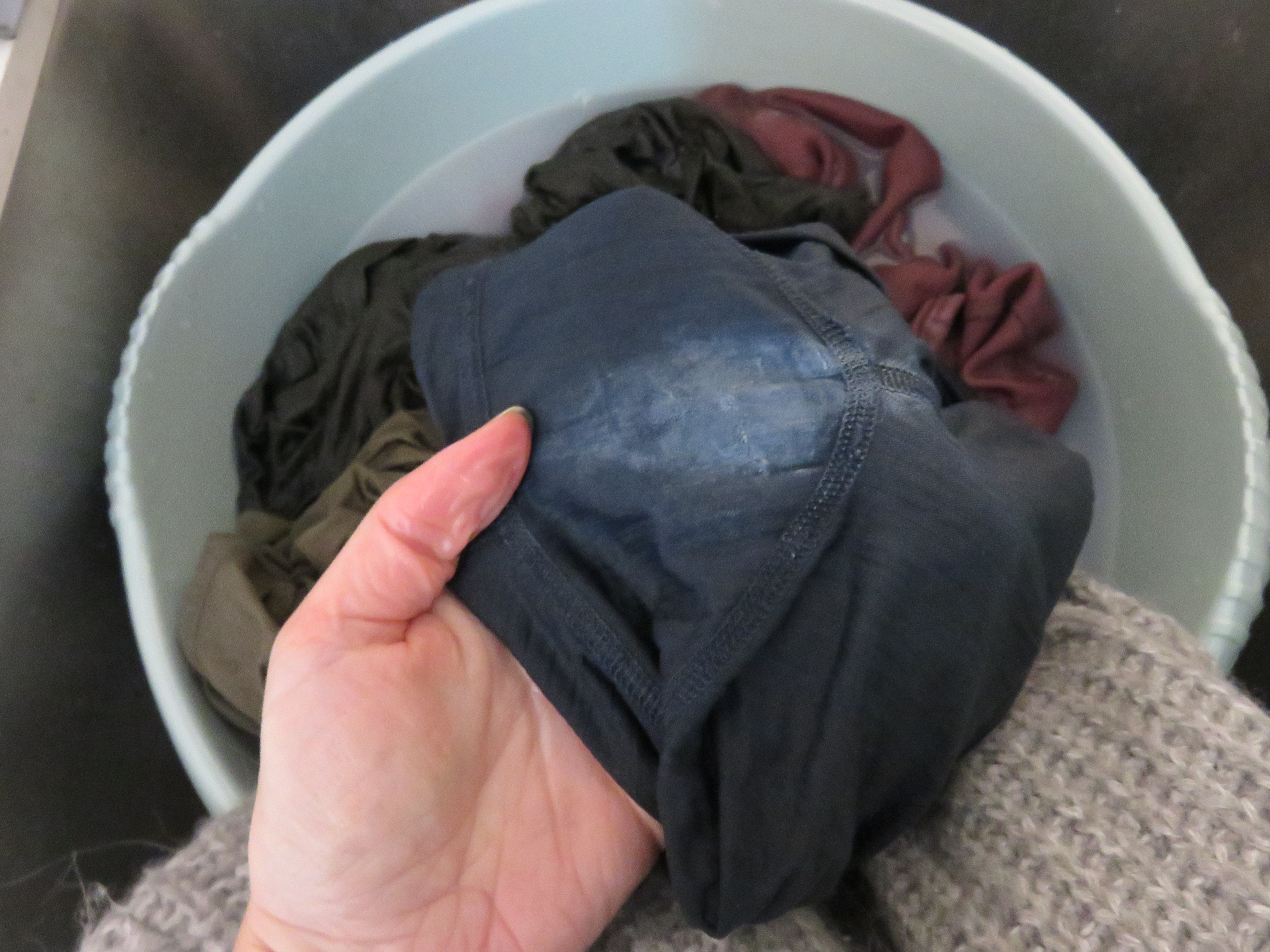
Sick and tired of continually washing your clothes only to find them getting increasingly stained and dingy? Smelly, greasy, stiff pit stains, and smells that continue to linger even after washing? Stop wasting your money on ineffective detergents, softeners, scent balls, ‘natural’ detergent alternatives, and all the other crazy, unnecessary laundry products that are turning your clothes greyer by the day. Instead, prepare to rejuvenate and restore your clothes with a deep clean.
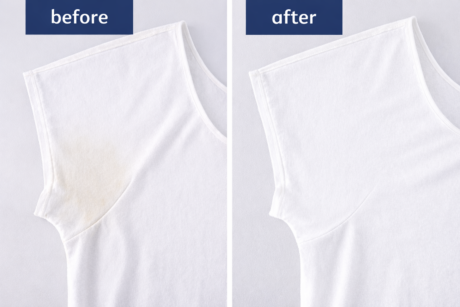
What Laundry Problems Can a Deep Clean Resolve?
- Persistent odour problems, including body odour, musty storage odours, and food odours
- Visible stains, including underarm – both sweat and deodorant stains, greasy stains caused by skin and hair oil, and cooking stains. (Please note: automotive grease stains require a different treatment).
- Fabric Softener buildup – this causes poor absorbency in fibres such as sports wear, sheets, and towels.
What Kinds of Materials Can I Use This Deep Cleaning Process on?
This deep clean process does come with a level of risk. However, you are likely following this process because your item has become unwearable, so you’re willing to risk a potentially bad outcome.
This deep clean process is generally safe for colourfast cotton, polyester, spandex/elastane, nylon, acrylic, polypropylene, linen, ramie, hemp, and blends of these fibres. However, because of the variations in manufacturing, proceed with caution when treating rayon, viscose, Tencel/Lyocell, bamboo, modal, acetate/triacetate, and similar semi-synthetic cellulosics can be damaged by long soaks. You can use a laundry mesh bag to minimise the risk of damage.
It usually does not affect commercial prints, sublimation-printed fabric, or embroidery. But graphics may not be safe.
If you’re unsure of the item’s colourfastness, dissolve 1 teaspoon of the powdered detergent in 1 cup of hot water and test on a hidden area. Wait 1 hour, rinse, and air-dry. If there’s no colour change, it’s safe to proceed.
What Kinds of Materials Can’t I Use This Cleaning Process on?
Never use this treatment process on silk, wool, cashmere, angora, alpaca, leather, suede, fur, or any animal-fibre blends, as it will cause damage. Avoid treating items with ferrous metal hardware, sequins, beads, metallic threads, or materials treated with silver-based odour-prevention or antimicrobial treatments.
Here’s an article about how to remove sweat and deodorant stains from wool and silk.
Ensure Your Washing Machine Is Clean
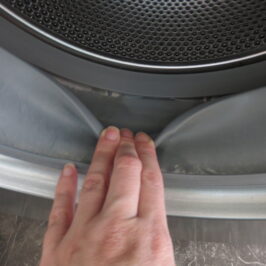
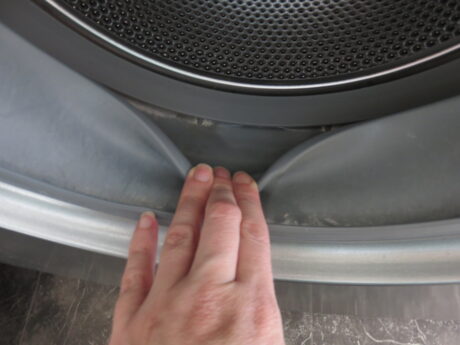
Before beginning the restoration of your clothes and linens, ensure your washing machine is sparkling clean. Otherwise, you will be continually washing dirt into your laundry. Follow my detailed, dedicated post on How to Deep Clean Your Washing Machine.
Restoring Your Dirty, Smelly Laundry
This process has two stages:
- Part 1: The Deep Soak – An enzyme-rich soak that breaks oils down and releases them from the fibres.
This intensive overnight soak is designed to break down oily residues that normal washing can’t remove. These residues trap odour molecules and cause fabric to feel grimy, no matter how much detergent you use.
- Part 2: The Wash – A thorough wash that removes everything the deep clean soak has loosened.
Products You Will Need
US products
Canada products
United Kingdom products
(For normal washing cycles, I highly recommend adding a scoop of Ocado Stain Remover Powder for Whites or Ocado Stain Remover for Powder for Colours to your wash. They are one of the only suppliers that clearly and transparently provide the list of ingredients for their cleaning products on their website.)
Europe products
Australia products
New Zealand products
Part 1: The Deep Soak
What You’ll Need
- A small, deep, sturdy container that will fully submerge your items. A cooler/esky/chilly bin is a good option as it will keep the water hot for longer.
- A heavy item, like a plate to hold your items under the water so they are fully submerged.
- A powdered laundry detergent (see above for options based on your country) that contains both
- Lipase: Enzymes that break oils into removable pieces.
- Oxygen bleach: Removes stains and odour molecules.
Directions
Step 1: Sort textiles by colour
Separate whites, colours, and darks. Red cottons should always be soaked alone because they bleed colour, ruining other items.
Step 2: Mix the solution
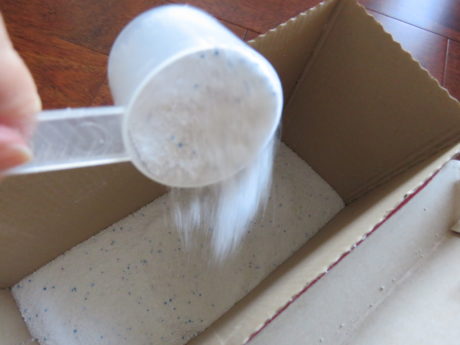
Dissolve the powdered detergent completely in very hot tap water (up to 140°F / 60°C).
Warning!
- Undissolved granules can permanently bleach fabric, so ensure you stir thoroughly. After stirring the solution for several minutes, leave it for 5 minutes, then return to stir it again.
Step 3: Submerge laundry completely
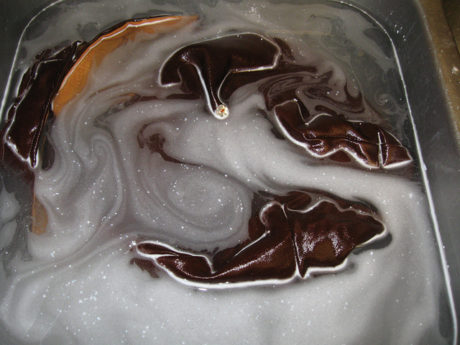
Press items underwater and keep them there for the entire soak. Use a plate, mug, or towel as a weight if needed. Cover the container to retain heat.
Step 4: Soak for 8–12 hours
No stirring required, just leave it to soak.
Step 5: Drain
Do not wring or twist. Just let the excess solution drain away.
Part 2: The Wash
This step removes everything the Deep Soak loosened.
What You’ll Need
- Ammonia (see above for options based on your country) – to improve oily soil removal and help surfactants remove oils from fibres
- A powdered laundry detergent (see above for options based on your country) that contains both
- Lipase: Enzymes that break oils into removable pieces.
- Oxygen bleach: Removes stains and odour molecules.
- Optional: For delicate items, you can place them into a mesh laundry bag to reduce potential damage.
Directions
Step 1: Load detergent
Add your powdered laundry detergent to the drum or powder tray.
Step 2: Add drained laundry items
Load normally and don’t overload the machine.
Step 3: Add ammonia
Pour directly onto your wet laundry (amount depends on concentration).
- DO NOT pour it onto your dry laundry powder.
- DO NOT add any other products to the wash.
Step 4: Wash immediately
Use a heavy-duty cycle with warm or hot water, depending on the fabric instructions. Add an extra rinse cycle if the option is available to ensure all the products are thoroughly rinsed from the fabric.
Caution!
- Ammonia will give off an odour during the wash. This is normal, and it will dissipate when dry. Keep a window open and air vents running.
Step 5: Dry carefully
Hang your laundry out to dry. For white items, hang them in the direct sun to help them whiten further.
Step 6: Evaluate
Repeat this wash process if needed (up to three times). If stains remain after that, they may be permanent or not oil-based.
Keeping Your Laundry Clean
To prevent future buildup from occurring again:
- Don’t use express wash cycles for soiled clothing. Only use the express/short cycle function for very lightly soiled laundry that needs refreshing.
- Don’t use softeners or fragrances. Instead, try adding some white vinegar to your washing machine’s softener dispenser.
- Use acidic rinses (citric acid or white vinegar in the softener dispenser).
- Use biological detergents that contain a range of enzymes, including lipase (see above for options based on your country). Learn more about biological detergents in my post Biological or Non-Biological: What Is the Best Kind of Laundry Detergent for Me?
- Pretreat stains promptly with enzyme-based products.
- Wash oily and heavily soiled items in warm or hot water.
- Maintain a clean washing machine by following my detailed, dedicated instructions How to Deep Clean Your Washing Machine.