This post may contain affiliate links. If you make a purchase through a link, I may receive a small commission, at no cost to you. These commissions help keep this website up and running, and I thank you for your support. Read my full disclosure here.
Disclaimers: I have in no way been influenced or paid to endorse these products. All recommendations are my own.
I am not a medical professional. Talk to your doctor before making any changes to your diet.
After years of ignoring my mental health issues and irritable bowel syndrome (IBS), my health finally became so bad that I was forced to confront my condition and do something about it. So, I began by learning more about my illness. I discovered that there is a growing body of research that indicates our gut bacteria can affect not only our health, but also our mental health and wellbeing.
Research into the relationship between our gut flora and brain sparked interest in 2004 when a study showed that germ-free laboratory mice exhibited an exaggerated response to stress compared to non-germ-free mice. Since then, research into the gut-brain axis, the biochemical signalling that takes place between the gastrointestinal (GI) tract and our central nervous system, has helped us learn more about the importance of bacteria in our gut.
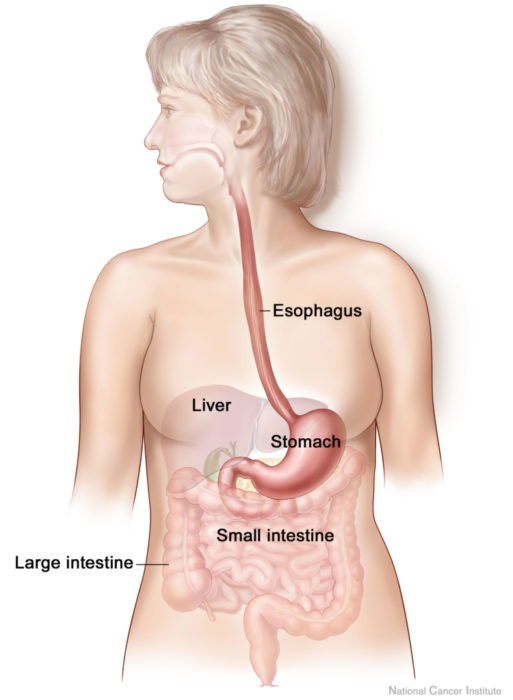
When we hear the word bacteria, we often associate it with something bad, and we spend a lot of time and money trying to kill them. However, there is a huge range of bacteria living in our body that are essential to our health, most of which live in our digestive system. In fact, the GI tract is home to over 100 trillion microorganisms that live inside of us!
The good bacteria help to protect us from the bad bacteria, but in order to maintain good gut health, we need at least 80% good vs. 20% bad. However, due to a range of reasons, including diet, smoking, alcohol consumption, antibiotics, and stress, the bad bacteria can end up outweighing the good. When this happens, it can have a direct impact on our health, affecting our immunity and causing digestive disorders such as inflammatory bowel disease, diarrhoea, IBS, and bowel infections. More recent research has also demonstrated that it can affect our mental health, such as anxiety, depression, and stress.
Probiotics
What Are Probiotics?
Probiotics are basically the good bacteria that live in your gut. This good bacterium helps your gut to function. These microbes come in two common varieties: the genus Lactobacillus and Bifidobacterium.
Lactobacillus need to be continually replenished by diet. These species tend to thrive in the guts of people who eat a plant-based diet. However, in general, these are often missing or are low in numbers in people who eat a Western diet. Lactobacilli are known for helping to metabolise proteins and carbohydrates, enhancing the immune system, and fighting the nasty pathogens, including the bacteria Staphylococcus, Salmonella, and the yeast Candida. They also assist our bodies in processing vitamins B and K.
On the other hand, Bifidobacterum normally live in our gut. This species has similar effects as Lactobacillus and can also relieve constipation, prevent both travellers’ diarrhoea and antibiotic-associated diarrhoea, metabolise lactose and ferment indigestible carbohydrates and process B vitamins.
Probiotics Foods
Be aware that some foods being sold aim to be supplemented with probiotics. However, be aware that they don’t always work because the bacteria may not always be ‘live’ or in large enough numbers to survive the acid bath inside your stomach on the journey into your gut. When shopping for food supplemented with probiotics, look for products labelled with ‘live’ or ‘active’ cultures.
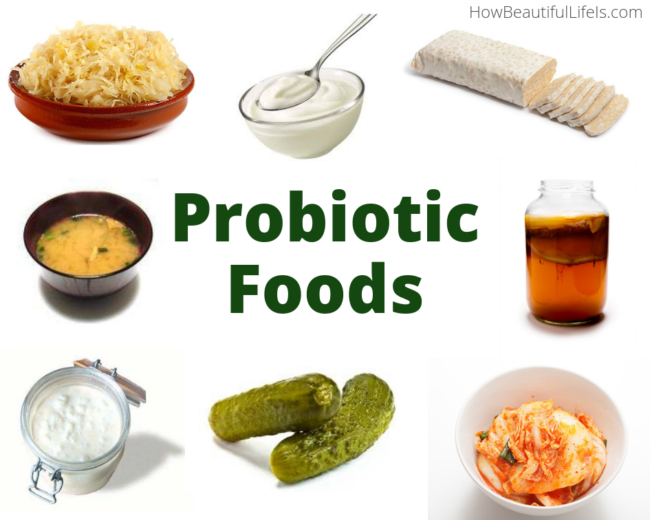
You can increase your probiotic levels by eating the following foods:
Yogurt
Look for yoghurt labelled with ‘live’ or ‘active’ cultures. You can save a lot of money by making your own using a yoghurt starter and a yoghurt maker. That way, you also get to control what goes in it.
Buttermilk
Buttermilk is a fermented milk drink with a sour taste. Originally, buttermilk was the liquid left behind after churning butter out of cream. Buttermilk can be purchased from the supermarket, you’ll find it in the refrigerator section.
Kefir
Kefir contains about 30 strains of beneficial yeast and is a very rich source of friendly probiotic bacteria, vitamins and minerals. As well as restoring the balance of friendly bacteria in the gut, it’s also highly effective for many forms of diarrhoea and ulcers caused by H. pylori infection. Kefir is a much more potent form of probiotics than yoghurt.
Kefir is made from gelatinous white or yellow particles called “grains.” These grains contain the bacteria/yeast mixture clumped together with casein (milk proteins) and complex sugars. The grains ferment the milk, incorporating their friendly organisms to create the cultured product. The grains are then removed with a strainer before consuming and added to a new batch of milk. Modern versions of kefir can be made vegan friendly using water, soy milk, rice milk, coconut milk, coconut water, etc., and are tolerated by those who are lactose intolerant.
As kefir becomes more popular, it is becoming more readily available as a ready to drink milk from the supermarket. But if you can’t find it at your local supermarket, try finding a shop that sells Eastern or Northern European food. Alternatively, you can make it yourself using a kefir starter culture and a kefir fermenter kit.
It’s best to introduce Kefir into your diet slowly. I suggest 1/4 cup per day (every second day if you have a really sensitive stomach) and work your way up to one cup per day. It’s important to take regular breaks to give your body a chance to build its own immunity, so aim to consume kefir no more than 5-6 days per week. If you don’t like drinking it as is, then use it to make a delicious smoothie!
Sauerkraut
Made from fermented cabbage and sometimes other vegetables, sauerkraut tastes like slightly sour, cooked, shredded cabbage. For those that hate boiled cabbage – don’t worry, it doesn’t taste anything like it! You can usually purchase sauerkraut at the supermarket, but it is cheaper to make it yourself, however, it does take time as it needs to ferment.
Miso
Made from fermented rye, beans, rice or barley, miso paste is made into a delicious soup. If you can’t find miso paste at your local supermarket, then try your local asian grocery store.
Miso soup is really easy to cook, so try making it at yourself using this miso soup recipe:
Miso Soup
Ingredients:
- 4 cups water
- 1/2 cup chopped green onion
- 1/4 cup firm tofu, cubed
- 3-4 tbsp miso paste (fermented soy bean paste) with or without bonito (fish flavour, though bonito makes it non-vegan- vegetarian-friendly)
- Optional: 1 sheet (1/4 cup) nori (which is dried seaweed), cut into large rectangles
Instructions:
- Place the water into a saucepan and bring to a low simmer.
- Add the nori and simmer it for 5-7 minutes.
- Whilst the soup is simmering, place 3 tbsp of miso paste into a bowl and add a little hot water and whisk until smooth. Stir this miso into your soup.
- Add the remaining ingredients to the pot and cook for another 5 minutes or so. Taste and add more miso or a pinch of sea salt if desired.
Miso soup is served warm.
Pickles
Weird, but yes, pickles. Grab some from your grocery store.
Tempeh
Tempeh is a probiotic-rich traditional Indonesian food made from the natural culturing and controlled fermentation process that binds soybeans into a cake form. It has an earthy, sweet taste. These days, you can also source soy-free tempeh. Find it at your local Asian grocery store.
Kombucha Tea
Kombucha is a form of fermented tea that has a vinegary flavour. It may be expensive or difficult for you to source locally, so try brewing it yourself using a Kombucha brewing kit. It’s gluten-free, dairy-free and vegan-friendly.
Because Kombucha contains some caffeine, it is not recommended for children under 5 years of age. For children aged 5 to 12 years old, restrict consumption to 30 – 50ml per day. For adults, it is recommended to consume no more than 100 to 230ml per day.
Kimchi
Kimchi is a Korean form of pickled sauerkraut. It tastes like pickled vegetables and is quite spicy. It can take a while to make, so if you have a local Korean restaurant or Asian grocery, it might be easier to just purchase it. But for those who are keen to make it themselves, follow this video on how to make kimchi at home.
Probiotic Supplements
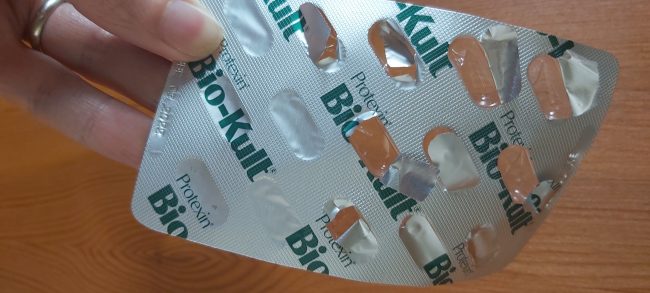
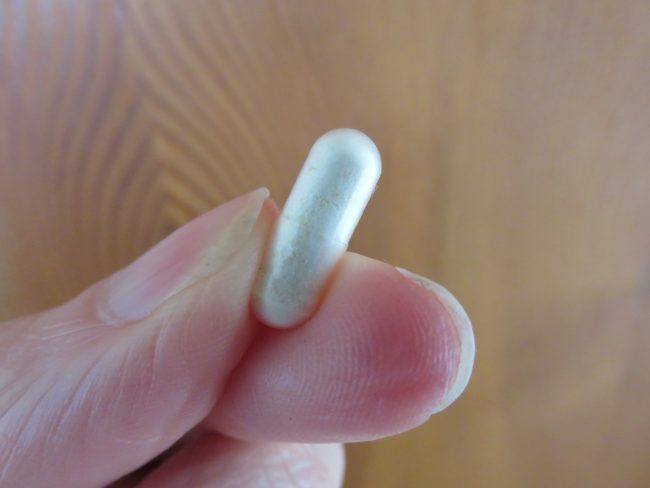
Probiotic supplements are a great way to increase your probiotic levels. There are many on the market, but the quality varies, so when choosing a probiotic supplement, look for ones that have both Lactobacillus and Bifidobacterium. I chose Bio Kult Probiotics because it contains 14 strains of probiotics with a variety of both Lactobacillus and Bifidobacterium. Each capsule contains a minimum of 2 billion microorganisms.
It’s important to take probiotic supplements with food, as this helps to alleviate the effect of the acid inside your stomach, killing them and preventing them from getting to your gut.
However, before spending your money and time attempting to increase your probiotic levels, your gut already needs to be full of prebiotics. Why? Because probiotics need prebiotics to feed on, otherwise they just die.
Prebiotics
What Are Prebiotics?
Prebiotics are indigestible plant fibres that live inside the large intestine. The probiotics feed on this fibre, so there must be plenty in your gut for them to eat. Common prebiotics include: inulin, Fructooligosaccharides (FOS), galactooligosaccharides (GOS), lactulose and lafinose.
So how can we maintain healthy levels of prebiotics? Studies have shown that a diet high in fibre allows the number of good bacteria to grow and colonise in the gut. This can lead to increased levels of short fatty acids, which ensure good colon health by providing the colonic cells with energy. They also help us to process vitamins such as B and K, and also help our immune system to fight off infections.
One of the other benefits of prebiotics is that it can reduce overeating by controlling blood sugars, which helps you to feel fuller for longer. It can also help to slow down your digestion. However, further research is needed in this area.
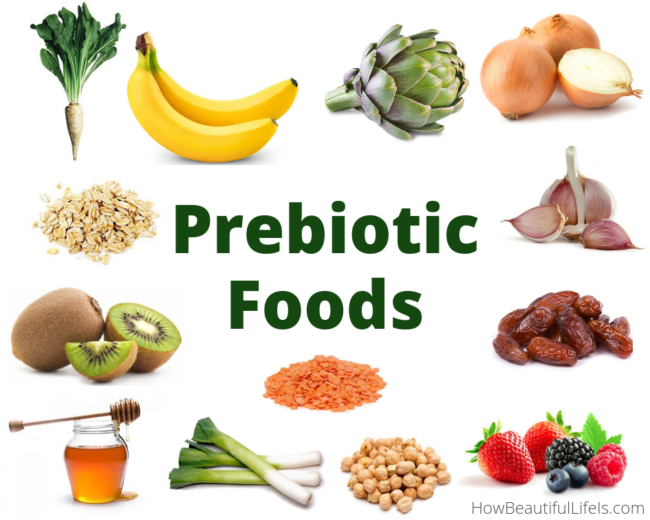
Prebiotic Foods
You can increase your prebiotic levels by eating the following foods:
- Leeks
- Chicory root
- Garlic
- Artichoke
- Peas
- Berries
- Dates
- Bananas
- Kiwi
- Honey
- Whole grains (such as oatmeal and barley)
- Legumes (lentils, kidney beans, chickpeas, navy beans, white beans, black beans, etc…)
Prebiotic Supplements
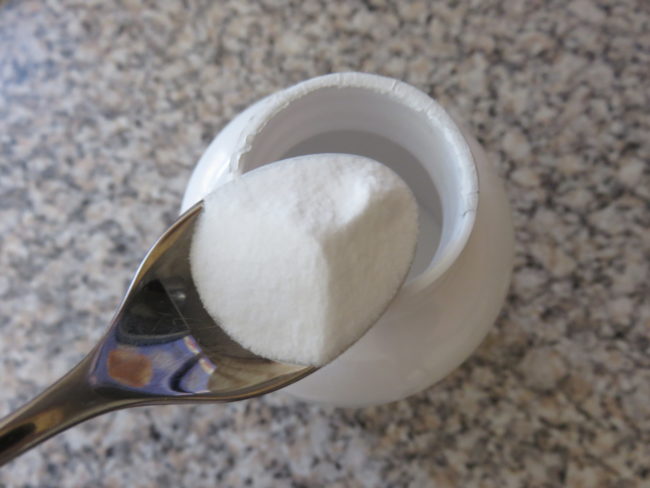
Getting enough prebiotics into your gut can be difficult. However, taking prebiotic supplements is relatively easy. A popular form of prebiotic supplement is inulin (FOS). This is typically sold in the form of chicory root powder. The powder is tasteless and very fine, so it easily dissolves in water or can be added to food.
Recommended inulin intake is 5 to 10g per day; however, be cautious when you begin taking prebiotic supplements because, for those with particularly sensitive guts, it can actually cause discomfort, stomach upset, flatulence, and even diarrhoea. So if you’re planning on introducing it into your diet, start with small doses. You should be aware that if you do have an issue with taking inulin, it is commonly used as a food supplement. So, if you experience these symptoms, always check food labels before eating.
Tips for Preventing Travellers Diarrhoea
Even if you don’t have issues with your stomach, I still recommend travelling with prebiotic and probiotic supplements as they can help prevent Travellers’ Diarrhoea.